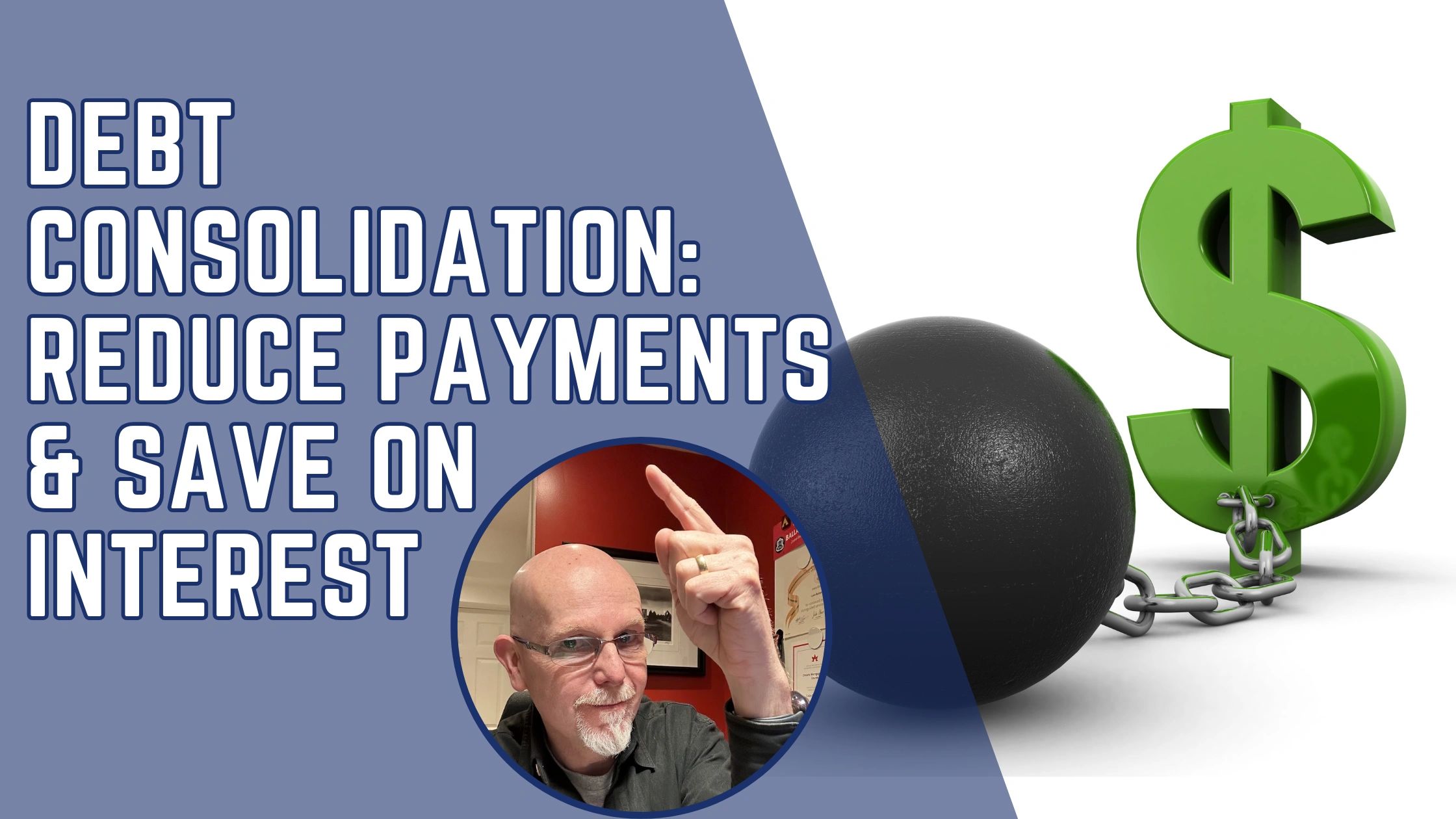
Debt Consolidation Guide Canada | Pay Off Debt Faster
Debt Consolidation Guide Canada | Lower Interest and Simplify Your Payments
Debt consolidation combines multiple debts — credit cards, car loans, personal loans — into a single payment at a lower interest rate. For Canadian homeowners, the most powerful consolidation tool is your mortgage: rolling high-interest debt into a refinance can drop your effective rate from 20%+ down to mortgage-level rates, saving thousands annually. Other options include debt consolidation loans and HELOCs. Each approach has different eligibility requirements, costs, and trade-offs — this guide covers what works and when.
Consolidating debt isn’t just about convenience; it can:
Lower your interest rate
Lower your total interest costs
Reduce monthly payments
Simplify your finances.
However, not all consolidation options are created equal, and choosing the wrong strategy could cost you more in the long run.
In this guide, we’ll explain how debt consolidation works, when it’s a good idea, and the best options available to Canadians. Real-world case studies will illustrate how debt consolidation can work in different situations.
What is Debt Consolidation?
Understanding How Debt Consolidation Works
Debt consolidation means combining multiple debts into a single loan with a lower interest rate. Instead of juggling credit card payments at 19%+ interest, a car loan, and a personal loan, you can replace them with one manageable payment.
Example:
Current debts:
Credit card balance: $8,000 at 19.99%
Personal loan: $10,000 at 12%
Auto loan: $15,000 at 7%
Monthly payments totalling $1,200 across all the lenders
With debt consolidation:
A single loan at 4.5% interest reduces monthly payments to approximately $615–$650.
This will significantly reduce the total amount of money spent on interest, simplify your payments, and increase your monthly cash flow!
The Benefits of Consolidating Your Debt
Lower Interest Rates: High-interest debt (like credit cards) can be crippling. A consolidated loan can cut your interest rate by more than half.
One Easy Payment: No more multiple due dates or tracking various lenders. You make one fixed payment per month.
Faster Debt Payoff: Lower interest means more of your payment goes toward the principal, helping you become debt-free sooner.
Improves Cash Flow: Lower monthly payments mean more money available for savings or unexpected expenses.
Boosts Credit Score Over Time: Properly managing one loan can improve your credit score, especially if you reduce your credit utilization ratio.
When is Debt Consolidation a Good Idea?
Debt consolidation works best if you have:
A good credit score (680+) to qualify for lower interest rates
Multiple debts with high interest rates (e.g., credit cards, payday loans)
A stable income to ensure affordability of the new loan payments
The discipline to avoid accumulating new debt after consolidating
Debt consolidation may not be ideal if:
You have a poor credit score and can’t qualify for a lower rate
Your debt is too high relative to your income
You lack financial discipline and might continue using credit cards after consolidating
Best Debt Consolidation Strategies for Canadians
Mortgage Refinancing to Consolidate Debt
A mortgage refinance allows you to roll high-interest debt into your home loan at a much lower rate. Mortgage refinancing to reduce debt in Canada.
Pros:
Secure the lowest interest rates available
This can free up significant cash flow
Cons:
Break penalties could apply if your current mortgage is not up for renewal
Extends your mortgage term
Home Equity Loans and HELOCs for Debt Consolidation
If you own a home, you could tap into your home equity to consolidate debt through a Home Equity Loan or Home Equity Line of Credit (HELOC). Using a HELOC for debt consolidation.
Pros:
Lowest interest rates since the home secures the loan
Can consolidate large amounts of debt
Cons:
Your home is at risk if you default
Requires sufficient home equity
Credit Card Balance Transfers – Are They Worth It?
Some credit card companies offer 0% interest balance transfers for a promotional period (usually 6–12 months). This can be a great option if you pay off the balance before the promo ends.
Pros:
No interest in the introductory period
Easy to transfer balances
Cons:
High balance transfer fees (3–5%)
Interest jumps back up after the promotion ends
Personal Loans for Debt Consolidation
A personal loan from a bank or credit union can help consolidate multiple debts at a lower fixed rate.
Pros:
Lower interest than credit cards
Fixed monthly payments for easier budgeting
No need for collateral
Cons:
Requires a good credit score to get a low interest rate
Some lenders charge origination fees
How to Choose the Right Debt Consolidation Option
Before consolidating debt, consider:
Interest rates: Will you actually save money?
Loan terms: Can you afford the payments?
Eligibility requirements: Do you qualify for a loan?
Potential fees: Are there penalties or hidden charges?
FAQs About Debt Consolidation in Canada
How does debt consolidation work in Canada?
Debt consolidation combines multiple high-interest debts into a single loan, usually with a lower interest rate. The goal is to simplify payments, reduce interest costs, and pay off debt faster.
What’s the best way to consolidate credit card debt?
For homeowners, the best approach is securing a lower-interest loan through mortgage refinancing or a HELOC. These options leverage home equity to replace high-interest credit card balances with lower, more manageable payments. If home equity isn’t available, alternatives include a personal loan or a balance-transfer credit card, though they typically carry higher interest rates.
Can I roll debt into my mortgage?
Yes, you can consolidate high-interest debt into your home loan through mortgage refinancing, potentially lowering your interest rate and monthly payments. This can simplify finances, but it’s important to consider associated fees and qualification requirements, such as home equity and credit standing.
This revision eliminates redundancy while maintaining a strong emphasis on mortgage-related solutions.
Will consolidating debt hurt my credit score?
Debt consolidation may cause a temporary dip in your credit score due to the new loan inquiry, but it improves over time as you make consistent payments and lower your overall debt balance.
What are the risks of consolidating debt?
If you don’t change your spending habits, you could accumulate more debt on top of the consolidated loan. Creating a budget and avoiding the reuse of credit cards once they’re paid off is crucial.
Take Control of Your Debt – Next Steps
Debt consolidation can be a powerful tool to regain financial stability, but only if used correctly.
Review your debt consolidation options carefully
Compare interest rates and fees before choosing a solution
Work with a mortgage professional to explore the best refinancing strategies
If you’re unsure about the best path forward, reach out for a free debt assessment. Let’s build a plan that will save you money and get you back on track.
Final Thoughts
Managing debt doesn’t have to feel overwhelming. With the right strategy, you can lower interest, simplify payments, and become debt-free faster. Start today and take control of your financial future.
Consolidating high-interest debt, credit cards, car loans, and lines of credit into a lower-rate mortgage can reduce your monthly carrying costs immediately and dramatically lower the total interest you pay over time. Colin works with homeowners across Ontario who are sitting on significant home equity while simultaneously carrying consumer debt at rates five to ten times higher than their mortgage rate, and the math on consolidation is often compelling once someone lays it out clearly.
The key is to structure it to reduce debt, rather than just converting it and continuing the same habits.
Colin Ballantyne is a Mortgage Agent Level 2
Licenced with BRX Mortgage (FSRAO Licence 13463, Licence ID M22000539), serving clients across Oakville, Burlington, Milton, Mississauga, and Ontario-wide.
Looking to consolidate your debt and actually improve your monthly cash flow? Book a call and let’s build a plan that reduces what you owe across the board.


