
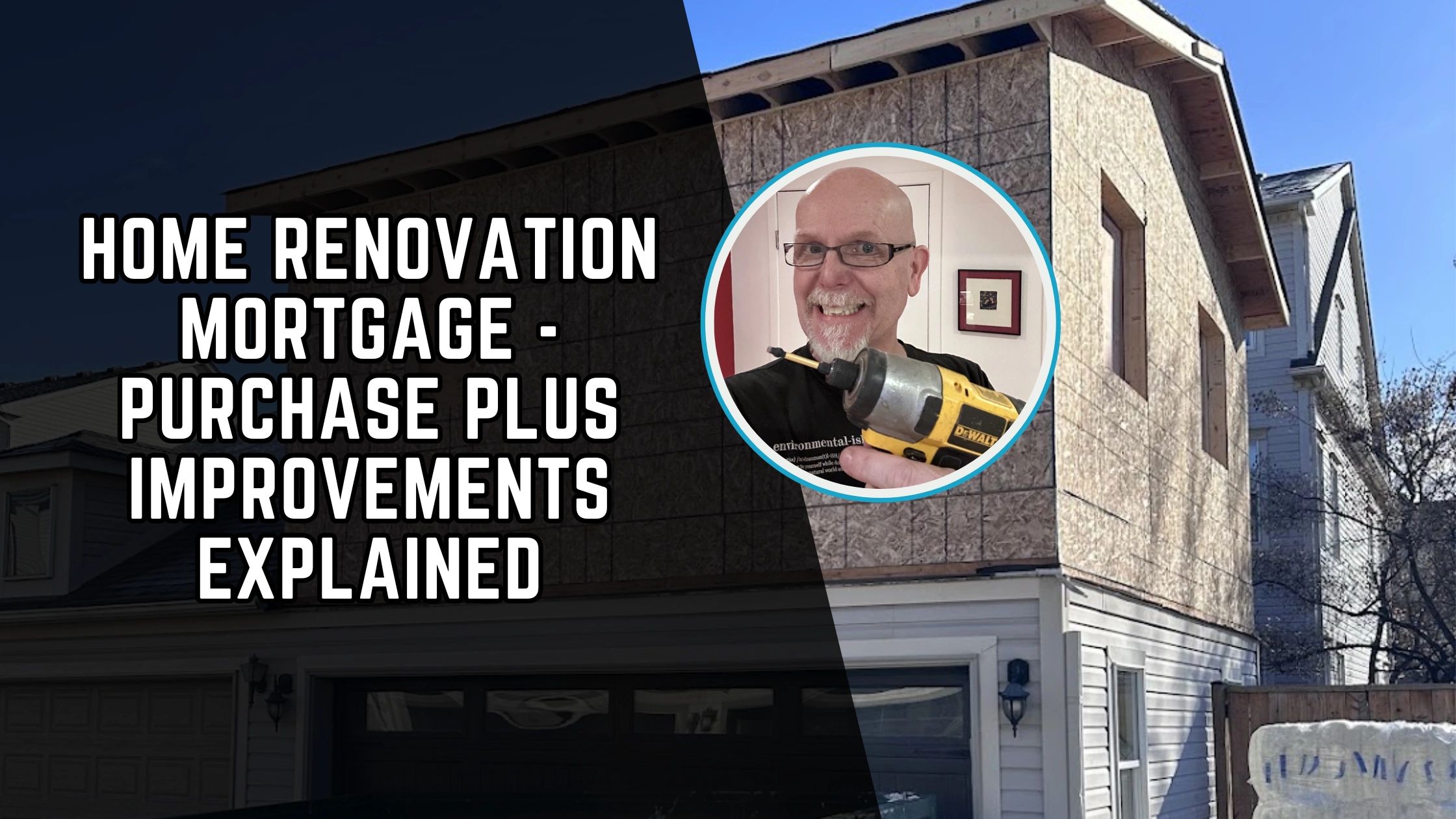
Home Renovation Mortgage Canada | How It Works
Finding a home in Ontario that is both affordable and move-in ready is genuinely difficult in most markets, and a home renovation mortgage solves that problem by rolling the purchase price and the cost of improvements into a single mortgage based on the property’s after-renovation value.
How home buyers can roll renovation costs into their mortgage using a home renovation mortgage.
Buying a home in Ontario is no small feat these days, and finding one that’s both affordable and move-in ready can feel nearly impossible. According to the Canadian Home Builders’ Association, the home renovation market is projected to grow this year, highlighting how common it is to buy a house that still needs work. But what if you could roll the cost of those renovations into your mortgage instead of paying out of pocket? That’s where a renovation mortgage (also known as a purchase plus improvements mortgage) comes into play. It’s one of the most innovative tools available for buyers who want to turn a fixer-upper into their dream home without maxing out credit cards or draining their savings.
What Is a Renovation Mortgage?
When you find a home with great bones and great potential but that needs a little love, don’t let the renovation costs scare you off. A renovation mortgage loan can help you buy the place and fix it up without draining your savings or maxing out your credit cards.
Purchase Plus Improvements Mortgage Explained
A Purchase Plus Improvements (PPI) mortgage lets you roll the cost of approved renovations into your mortgage when buying a home. That means instead of trying to come up with extra cash after closing, you get one loan that covers both the purchase and the upgrades.
Suppose you buy a home for $600,000 and want to put $40,000 into renovations. Your mortgage would be based on $640,000 (subject to lender approval and appraisal). The renovation funds are advanced after the work is completed and inspected.
Refinancing with Renovation Funds
Already own your home? If you’ve built up equity, you can refinance your mortgage to access cash for renovations. Lenders typically allow you to borrow up to 80% of your home’s current value, which can be a great way to fund larger projects like a new kitchen or a basement suite.
Key Differences from Other Financing Options
Renovation mortgages offer lower interest rates and structured payments than credit cards or unsecured loans. They also keep everything under one roof, so you’re not juggling multiple loans. Remember: You must pay the renovation money first and get reimbursed later.
How a Home Renovation Mortgage Works
Step-by-Step Process for Buyers
Find a home and assess what needs updating.
Get written quotes from licensed contractors.
Apply for a mortgage that includes the cost of renovations.
Close on the property.
Complete the renovations (usually within 3–6 months).
Have the work inspected by the lender.
Get reimbursed once everything checks out.
What Renovations Are Eligible?
Think permanent upgrades: new windows, roof, flooring, furnace, kitchen or bathroom renos. Appliances, furniture, and cosmetic extras don’t qualify.
When and How Funds Are Released?
It is important to note that you won’t get the renovation funds up front. Instead, your lawyer holds them in trust and releases them once the work is done and approved by your lender’s inspector. Some lenders may release funds in stages for bigger projects.
Plan Your Timelines for Renovation Completion:
As lenders will assign you a deadline to complete the home renovations, you must ensure your contractors are ready to go right after closing. If you require permits for your project, speaking with your municipal building department for estimated timelines can be a key part of your planning to avoid any timeline issues.
Who Qualifies and What Are the Limits?
Down Payment and Equity Requirements
If you’re buying a home:
5% down on the first $500,000
10% on any amount above that
If you’re refinancing:
You can borrow up to 80% of your home’s appraised value, including renovation costs
CMHC, Sagen, and Canada Guaranty Program Rules. Your mortgage will require default insurance if your down payment is less than 20%. CMHC, Sagen, and Canada Guaranty each offer insured programs with renovation financing built in, often up to 95% of the post-renovation value.
Maximum Renovation Amounts and Caps
Renovation costs are usually capped at the lesser of:
$40,000, or
10% to 20% of the home’s purchase price
Rental Property and Multi-Unit Considerations
To qualify, one unit must be owner-occupied. Renovation mortgages can apply to properties with up to four units, but minimum down payment rules vary based on the number of units and whether the property is a rental.
Pros and Cons of Renovation Mortgage Financing
Advantages Over Lines of Credit or Credit Cards
Lower interest rates
One loan, one monthly payment
Add value to your home right away
Challenges and Limitations to Be Aware Of
You have to pay for renovations upfront before reimbursement
More paperwork, inspections, and steps than a traditional mortgage
Higher overall mortgage payments since you’re borrowing more
Alternatives to a Purchase Plus Improvements Mortgage
HELOCs (Home Equity Line of Credit) are great for homeowners with equity. They are flexible, low-interest, and you only pay interest on what you use.
Personal Lines of Credit or Loans are Quicker to access but typically have higher interest rates. They are better suited for smaller projects.
Paying Cash or using a Credit Card Works well for renovations under $5,000. Make sure you can pay off your card quickly to avoid costly interest.
Smart Strategies for Maximizing ROI on Renovations
Renovation Types That Add the Most Value Focus on kitchens, bathrooms, flooring, and energy efficiency upgrades. These areas offer the best return on investment when it comes to boosting your home’s value.
Mistakes That Can Hurt Property Appraisal
Avoid over-personalizing the design or making updates that don’t align with local buyer expectations.
Skipping permits can also cause issues.
Plan for Hidden or Unexpected Costs. Always build in a contingency budget: typically 10% to 15% extra for surprises like electrical upgrades, plumbing issues, or contractor delays.
Common Questions About Renovation Mortgage Financing
Can I Do the Renovations Myself?
Lenders require a licensed contractor to do the work. DIY jobs usually aren’t eligible unless you’re a certified tradesperson.
Can I Add Funds Later If Costs Go Up?
No. You can only borrow what’s approved in the original renovation quote. Plan thoroughly and include a buffer in your estimate.
What If the Renovation Doesn’t Increase the Home’s Value?
You may be responsible for any shortfall if the improvements don’t add value. Lenders require an appraisal to confirm that the post-renovation value supports the mortgage amount.
Can You Add Renovations to Your Mortgage?
Yes, through either a purchase plus improvements mortgage (when buying) or a refinance for home improvements (if you already own the home). Both allow you to fund upgrades as part of your total mortgage.
What Is the Maximum Limit for Repair & Renovation Under a Home Loan?
Most insured programs and lenders cap renovation amounts at the lesser of $40,000 or 10% to 20% of the home’s value. Limits vary by lender, program, and whether you’re purchasing or refinancing.
What Is the Best Way to Borrow Money for Home Renovations?
If you’re buying, a purchase-plus-improvements mortgage is often the most cost-effective option. For current homeowners, a HELOC offers flexibility and low rates. The best option depends on your equity, timeline, and renovation scope.
Are Home Renovations Tax-Deductible in Canada?
Generally, no. Renovation costs are not tax-deductible unless they relate to medical accessibility or energy-efficiency upgrades through specific programs such as the Canada Greener Homes Grant.
How to Pay for Home Renovations in Canada?
Options include:
Purchase plus improvements mortgage (for buyers)
Mortgage refinance
HELOC
Personal line of credit
Credit cards (for small projects)
Government incentive programs (for energy-efficient or accessibility upgrades)
Is a Renovation Mortgage Right for You?
Whether you’re buying a home that needs work or looking to upgrade the one you’re already in, renovation mortgage financing can give you the leverage to do it all under one structured plan.
The key is knowing which renovations are worth investing in, understanding how the process works, and ensuring the numbers stack up before you begin. With the right guidance, financing your renovations through your mortgage can help you build value, not just spend it.
Ready to explore your renovation financing options? Let’s run the numbers together and build a strategy that works for your home, budget, and goals.
Finding a home in Ontario that is both affordable and move-in ready is genuinely difficult in most markets, and a home renovation mortgage solves that problem by rolling the purchase price and the cost of improvements into a single mortgage based on the property’s after-renovation value. Colin works with buyers who have learned to look past cosmetic issues and dated finishes because they understand that a Home Renivation Mortgage lets them buy at a lower price and fund the upgrades without a second loan or a depleted savings account. It is one of the most underused tools available to Canadian home buyers and one I’m happy to walk through in detail.
Colin Ballantyne is a Mortgage Agent Level 2
Licenced with BRX Mortgage (FSRAO Licence 13463, Licence ID M22000539), serving clients all across Ontario.


