
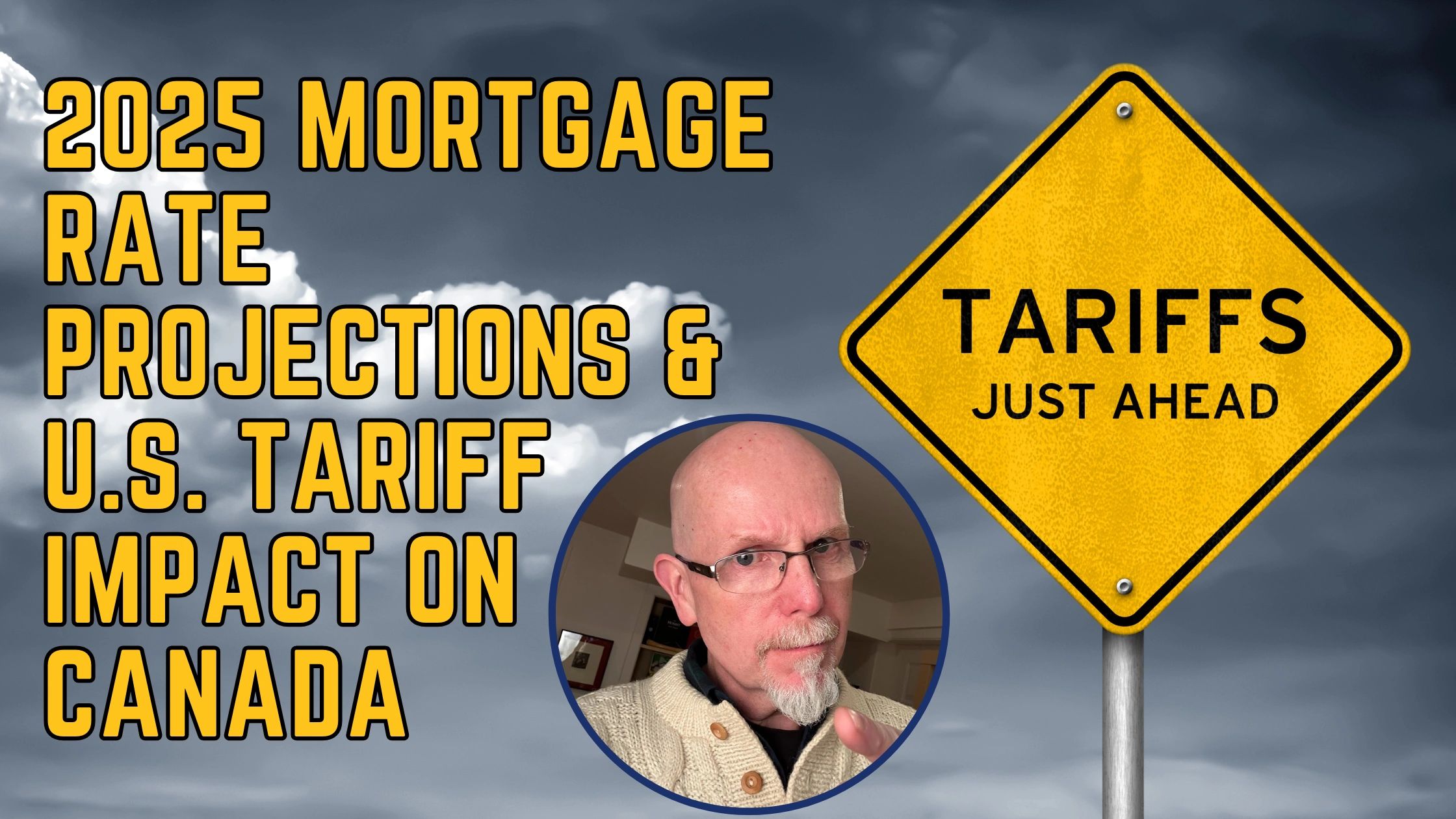
How Trump Tariffs Could Impact Canadian Mortgage Rates
Are Mortgage Rates Going to Drop in 2025? How U.S. Tariffs Could Impact You
The mortgage market is shifting, and one unexpected factor in the equation is the impact of U.S. trade policies on the Canadian economy. With Trump proposing new tariffs on Canadian goods and industries, many are wondering:
Will mortgage rates drop in 2025?
Could tariffs push the Bank of Canada (BoC) to lower rates faster?
What does this mean for homebuyers and those renewing their mortgages?
Let’s break it down so you can make the best financial decision in the months ahead.
Will Mortgage Rates Drop in 2025?
The short answer: So far, yes. But the speed and depth of those cuts depend on a few key factors—including how trade policies unfold.
Why the Bank of Canada is Expected to Cut Rates
The BoC has been signalling rate cuts for months, with most major banks predicting a gradual reduction throughout 2025. Here’s why:
Economic Slowdown – High interest rates have slowed consumer spending, weakened job growth, and softened housing demand. The BoC may need to lower rates to prevent a deeper downturn.
Inflation is Cooling – As of early 2025, inflation is trending back toward the 2% target. Lower inflation allows the BoC to cut rates without fueling another price surge.
Mortgage Renewal Shock – Nearly 60% of Canadian mortgages will be up for renewal by 2026, many at rates double or triple what borrowers initially locked in. Lower rates could ease financial strain for millions of homeowners.
But here’s where things get tricky…
How Tariffs Could Change the Rate Outlook
If Trump reintroduces 25% tariffs on Canadian goods, it could throw a wrench into rate predictions.
Tariffs increase the cost of goods, making everything from groceries to construction materials more expensive. This could lead to:
Higher Inflation: If inflation jumps, the BoC may delay or slow rate cuts to prevent another price surge.
Slower GDP Growth: A weak economy could force the BoC to cut rates faster to prevent a recession.
Job Losses in Key Industries: Sectors like manufacturing, agriculture, and steel could see layoffs, impacting housing affordability.
Past Example: The 2018–2019 U.S.-Canada Trade War
We’ve been here before. In 2018, Trump imposed tariffs on Canadian steel and aluminum, leading to job losses, higher production costs, and inflation spikes. The BoC responded cautiously, balancing economic slowdown with inflation risks.
If history repeats itself, we could see a similar push-pull effect—meaning mortgage rate cuts may not happen as quickly as many hope.
What This Means for Mortgage Rates in 2025
Most banks still expect rates to decline, but tariffs could slow the pace. Here’s what homeowners and buyers should consider:
- Should You Lock in a Mortgage Rate Now or Wait?
Many wonder whether to secure a mortgage now or wait for rates to drop.
Here’s the smart move:
Lock in a rate today with a lender that offers a “rate drop” feature. This protects you from unexpected increases while allowing you to take advantage of lower rates if they fall before your closing date.
If you’re renewing, consider a shorter-term fixed-rate to keep your options open for better rates later.
If you’re comfortable with some risk, a variable-rate mortgage could pay off if BoC cuts are deeper than expected.
- Will Home Prices Go Up or Down?
Real estate prices are already showing signs of stabilizing after declines in 2023 and 2024. But tariffs could create two conflicting pressures:
📉 Tariffs & Inflation Could Slow Demand: Higher costs of living might keep some buyers sidelined.
📈 Lower Mortgage Rates Could Increase Demand: If rates fall, more buyers may jump back into the market, pushing prices up.
What’s the takeaway? If you’re in the market for a home, waiting could mean facing more competition as rates fall. Acting now might let you secure a deal before prices climb.
Fixed vs. Variable: Which Mortgage Should You Choose?
If you’re buying or renewing, picking the right mortgage structure is key.
Fixed-Rate Mortgage: Homeowners who want predictability Offers stability, but you might miss out on savings if rates drop significantly.
Variable-Rate Mortgage: Borrowers comfortable with fluctuating payments can save money if rates decrease, but payments could rise if inflation pressures slow rate cuts.
Case Study: John & Sarah’s Mortgage Decision
John and Sarah were renewing their mortgage in early 2025. They were debating between:
A 5-year fixed mortgage at 4.14%
A variable mortgage starting at 4.35%
After reviewing their finances and risk tolerance, they opted for a 2-year fixed mortgage. This gave them stability and positioned them to refinance when rates fell further.
Final Thoughts: What Should You Do Now?
Trump’s tariffs add another layer of uncertainty to Canada’s mortgage market. While rates are still expected to drop, inflation and economic growth could affect the timeline.
Here’s how to prepare:
If you’re buying: Lock in a rate with the flexibility to adjust it before closing.
If you’re renewing, Consider a shorter-term fixed or variable mortgage.
If you’re refinancing: Watch for lower rates, but balance closing costs with potential savings.
Need expert guidance? Let’s chat about your mortgage strategy and how to navigate the months ahead.
FAQs
- Will mortgage interest rates go down in 2025?
Most experts predict gradual rate cuts, but tariffs and inflation risks could slow the process.
- Should I get a fixed or variable mortgage?
If you want stability, go fixed. If you can handle some risk, a variable rate could save you money as rates decline.
- How do U.S. tariffs impact Canadian mortgage rates?
Tariffs can drive up inflation, making it harder for the Bank of Canada to lower rates aggressively.
Let’s Discuss Your Mortgage Strategy
Navigating mortgage decisions in an unpredictable market can be challenging, but you don’t have to do it alone. Whether you’re buying, renewing, or refinancing, understanding how economic changes and interest rate trends impact your options is key to making the right move.
If you have questions about how Trump’s tariffs, Bank of Canada rate cuts, or market conditions could affect your mortgage, let’s talk.
Book a call today, and I’ll help you build a strategy that works for your financial goals—now and in the future.


