
Mortgage Refinancing Strategy
Most Homeowners Ask About Refinancing. The Better Question Is What You Are Actually Trying to Solve.
Refinancing is one option in a set of tools. Whether it is the right one depends entirely on what you are trying to accomplish, where you are in your term, and what the math actually says. That is the conversation we should be having.
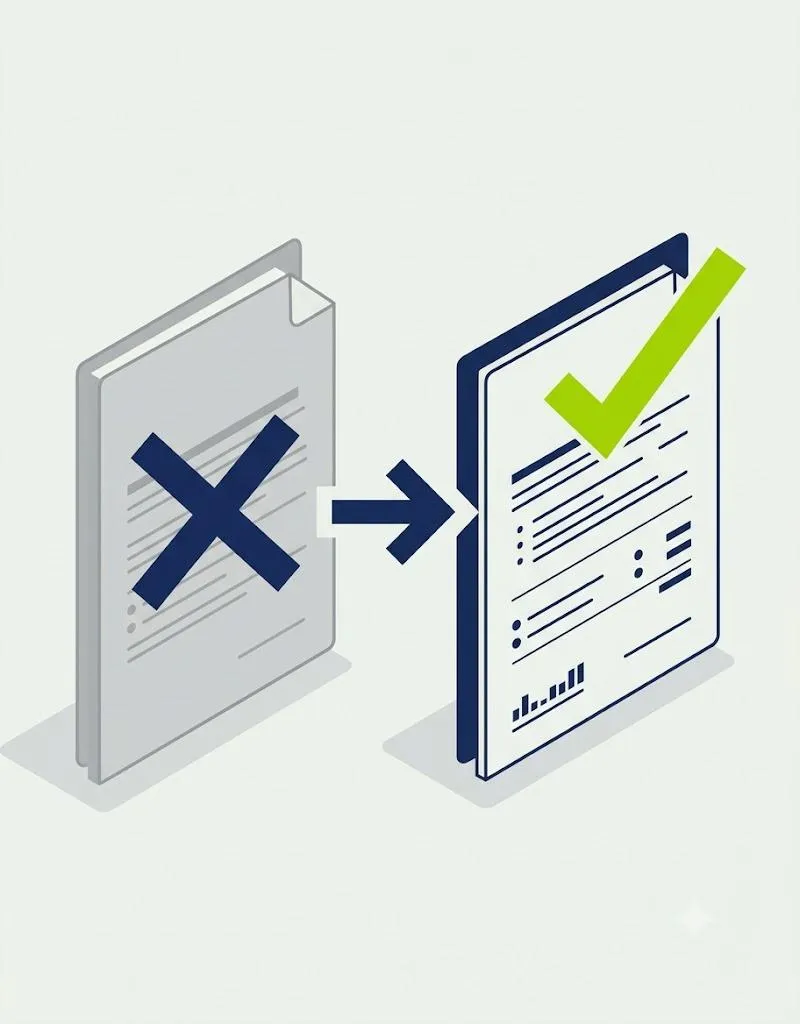
What Brings Most Clients
to This Conversation
I Have Built Equity and I Want to Use It.
You bought your home, paid it down, and the value increased. That equity is real, but not accessible. Refinancing is one way to unlock a lump sum at mortgage rates. Whether that is the smartest path depends on what you intend to do with the money and what it will cost you to access it.
My Rate Is High or My Situation Has Changed.
Maybe you locked in at a rate that no longer reflects today's market. Maybe your income, credit, or family situation has shifted. Refinancing lets you restructure your mortgage from the ground up. That can work in your favour. It can also come with real costs. The answer starts with the numbers.
I Am Carrying High-Interest Debt and I Think I Can Do Better.
A credit card at 19 to 21% versus a mortgage rate in the 4.0's is a significant difference. Rolling high-interest debt into a refinanced mortgage can meaningfully reduce what you pay each month.
We will look at that together.
What a Refinance Actually Is
A Refinance Replaces Your Mortgage. That Matters More Than Most People Realize.
Refinancing is signing a new mortgage agreement, often with a new lender, from the beginning. That means new terms, a new stress test, new legal and administrative costs, and in most cases a prepayment penalty if you are breaking mid-term. When that trade works in your favour, it is an excellent financial move. When the costs outweigh the savings, it is not. The place to start is the math, not the rate.

How Much Equity You Can Access In a conventional refinance?
You can borrow up to 80% of your home's appraised value. The equity you can actually access is that ceiling minus your remaining mortgage balance. If your home is appraised at $800,000, the maximum refinance amount is $640,000. If you have $430,000 left on your mortgage, up to $210,000 in equity is available to you. That number can fund renovations, investments, debt consolidation, or a combination of all three.
How do I re-qualify When I refinance?
Income, employment, credit, and the full stress test all apply again. The stress test requires you to qualify at the higher of your contract rate plus 2%, or 5.25%, whichever is greater. If your financial picture looks different than it did when you originally bought, this is worth knowing before you start. I can tell you quickly whether you are in a strong position to refinance or whether there is preparation worth doing first.
Before You Decide to Refinance, Know Every Cost That Goes Into It.
Most refinancing conversations start with the rate. They should start here.
Every refinance comes with closing costs: legal and appraisal fees. Those are predictable.
The cost that surprises people is the prepayment penalty.
If you break a fixed-rate mortgage mid-term, the penalty is the greater of 3-months of interest or the Interest Rate Differential. The IRD can run into the thousands depending on your rate, your balance, and how far rates have moved since you locked in.
Variable-rate mortgages are simpler: almost always 3-months of interest.
The cleanest time to refinance is at your renewal date. No penalty.
That changes the math significantly.
If you are mid-term and considering a move, we will run the break-even before we go any further.

Two More Situations Worth Knowing About
Not Every Refinance Conversation
Starts With a Rate.
Restructuring Your Mortgage
Life changes that your original mortgage did not anticipate: adding a spouse, removing a co-borrower, switching between fixed and variable, or adjusting your amortization to manage cash flow. A refinance is how these structural changes get made outside of a scheduled renewal. If your situation looks different from what it did when you bought, your mortgage can reflect that.
Using Your Renewal as a Larger Reset
If your renewal is coming up and you want to do more than carry forward the same balance, this is the moment. Access equity, consolidate debt, and restructure terms all at once, with no prepayment penalty. Most people treat renewal as an administrative step. It is actually the lowest-cost window to make a meaningful change.
I Do Not Recommend Refinancing to Every Client Who Asks About It.
A refinance is the right move in a number of situations. It is also the wrong move in just as many. My job is to figure out which one applies to you before either of us invests more time in the conversation.
- When the math doesn't add up. The prepayment penalty exceeds the savings, or the term remaining is too short to recover the closing costs at the new rate. In that case, I will tell you to wait and come back at the time of renewal.
- When a different tool is a better fit. If you want flexible, ongoing access to equity rather than a single lump sum, a HELOC draws against the same equity without resetting your mortgage.
- If you are 55 or older and equity access is the goal, a reverse mortgage is worth understanding. If you are six months from renewal and there is no urgent need to act now, the cleanest path is often just to wait.
What I do not do is send every homeowner who calls down the refinancing path because that is what they came to ask about.
The conversation we want to have first is what you are actually trying to accomplish.
Everything else follows from there.
WHAT YOU GET
Clarity at a Moment That Matters.
★★★★★
Colin took the time to explain everything clearly and introduced a much better solution for us that we didn't even know could be an option. Trustworthy, dedicated, and genuinely helpful.
★★★★★
I had some weird issues with my present mortgage and Colin worked through options and gave his recommendations. In the end, his recommendation did not earn him any money and yet he was more than willing to continue to answer questions. He even told me how and what to ask for from the bank.
★★★★★
My husband and I had the best experience with Colin. He was always available for questions, took his time to walk us through everything and stayed on top of the whole process. We would highly recommend him to anyone
Frequently Asked Questions
Questions Homeowners Ask Before Deciding to Refinance.
What is the difference between refinancing and renewing my mortgage?
A renewal happens at the end of your mortgage term, when your existing mortgage expires and you negotiate new terms, typically with the same lender. No penalty applies and the process is straightforward. A refinance replaces your mortgage before or at the end of your term, often with a new lender, and allows you to change the mortgage amount, access equity, or restructure terms. Refinancing mid-term triggers a prepayment penalty. Refinancing at your renewal date does not.
How much equity can I access through a refinance?
In a conventional refinance, you can borrow up to 80% of your home's appraised value. The amount available to you is that ceiling minus your remaining mortgage balance. For example, a home appraised at $700,000 has a refinance ceiling of $560,000. If your current mortgage balance is $380,000, you have up to $180,000 in accessible equity. There is no CMHC insurance on a conventional refinance, and the 80% threshold applies without exception.
What are the costs of refinancing a mortgage in Canada?
Costs include a prepayment penalty if you are breaking mid-term (either 3-months of interest or the Interest Rate Differential for fixed-rate mortgages, whichever is higher), legal fees to register the new mortgage (typically $1,000 or more), a home appraisal ($300 to $600), and a mortgage discharge fee if you are switching lenders ($200 to $450). If you refinance at your renewal date, the prepayment penalty does not apply. The total cost of a mid-term refinance varies significantly based on the IRD calculation.
What is the Interest Rate Differential and how is it calculated?
The Interest Rate Differential is a penalty lenders charge when you break a fixed-rate mortgage mid-term. It compares your contracted rate to the rate your lender would charge today for a mortgage of the same remaining term. The greater that gap, the larger the IRD. In a falling-rate environment, the IRD for fixed-rate mortgages can be substantially higher than three months of interest. Variable-rate mortgages are almost always penalized at 3-months of interest, which is significantly simpler and typically lower. Knowing your rate type before you start the refinancing conversation matters.
Do I have to pass the mortgage stress test to refinance?
Yes. Refinancing requires full requalification, including the federal mortgage stress test. You must demonstrate that you can carry the new mortgage at the higher of your contract rate plus 2 percent, or 5.25%. Your income, employment, and credit profile are all reviewed again. If anything has changed significantly since you originally purchased. It is worth discussing with me before you begin the process.
Can I refinance mid-term, or do I have to wait for renewal?
You can refinance mid-term, but a prepayment penalty will apply. Whether it makes financial sense depends on the penalty amount, the closing costs, and the savings the new rate and terms will generate over the remaining life of the mortgage. I run a break-even calculation for every client considering a mid-term refinance, because the answer is not always obvious. Some clients save substantially. Others are better served by waiting until renewal.
What is blend-and-extend and is it an alternative to refinancing?
Blend-and-extend is an option available at some lenders that allows you to combine your current rate with today's rate and extend your term, without triggering a full prepayment penalty. It is a way to get some of the benefits of a lower rate mid-term without the cost of a full break. The trade-off is that you typically do not get the lowest available rate on the market, and your options for accessing equity are more limited. Whether it is better than a full refinance depends on your specific rate, your lender's blend-and-extend formula, and what you are trying to accomplish.
Is a HELOC different from a refinance?
Yes. A Home Equity Line of Credit is a revolving credit facility secured against your home equity, but it does not replace your mortgage. You access the credit as needed and only pay interest on what you use. A refinance replaces your mortgage entirely and gives you a lump sum. If you want ongoing flexible access to equity for projects, investments, or emergencies, a HELOC often makes more sense than a full refinance. If you want a single larger amount and want to restructure your mortgage at the same time, a refinance may be the better tool. The two are not mutually exclusive in some structures.
How long does a mortgage refinance take in Canada?
A standard refinance typically takes two to four weeks from application to funding, assuming documentation is complete and the appraisal comes back without complications. Factors that can extend the timeline include appraisal delays, lender review timelines, and the complexity of the file. I manage this process alongside you and can give you a realistic timeline once I have reviewed your file.
Should I refinance to consolidate debt?
Debt consolidation through a refinance can make strong financial sense when you carry high-interest balances such as credit card debt at 19-21% and have available equity to access at mortgage rates. The monthly and long-term savings can be significant. The risk worth understanding is that you are converting unsecured debt into debt secured against your home. If spending habits that created the original debt do not change, you may end up with both the refinanced mortgage and rebuilt balances. Used strategically, this is a powerful move. Used without a plan, it can compound the problem.
One Conversation. 60+ Lenders
The right lender for a downsizing transition is not always the one who holds your current mortgage. Colin knows which lenders handle porting, bridge financing, and equity access most cleanly, and which programs apply to your situation before you are in an offer.





Licensed mortgage agent and investor.
Strategy-first advice. 25+ years in Canadian real estate and mortgage strategy
The Mortgage Builder
REGULATORY TRANSPARENCY
License: Mortgage Agent, FSRA Ontario | Lic. M22000539
Brokerage: BRX Mortgage
Colin Ballantyne is a licensed mortgage agent with BRX Mortgage.
Not all applicants will qualify. This website is for informational purposes only and does not constitute financial advice.
© 2026 Colin Ballantyne — All rights reserved.